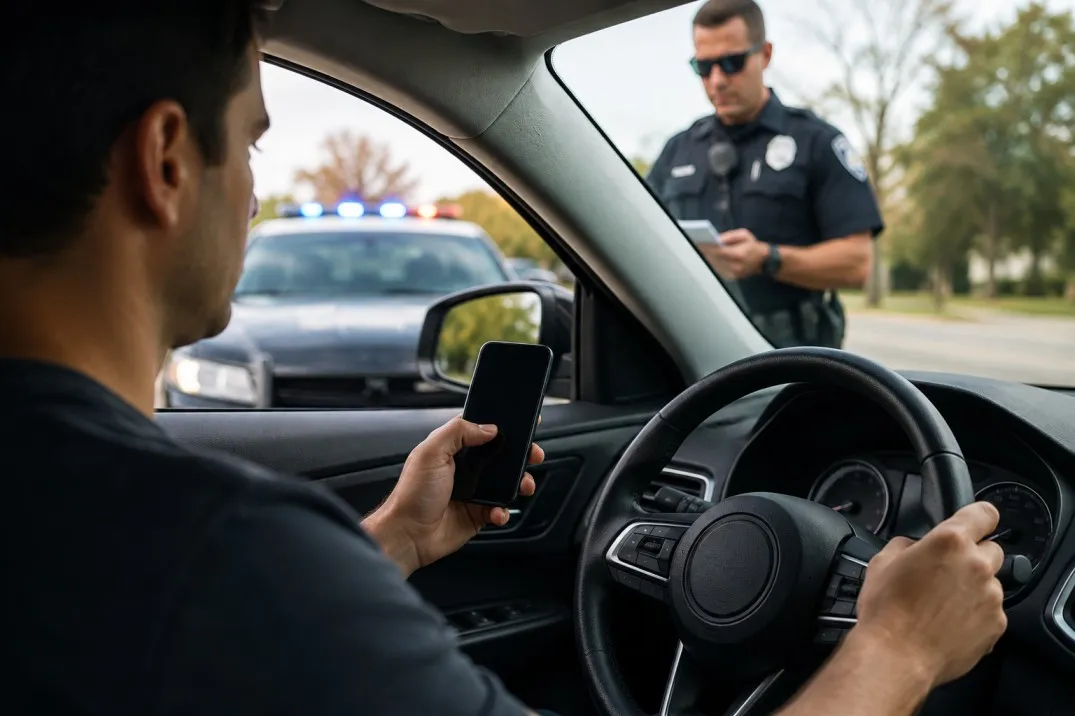
Getting pulled over for using a cellphone while driving can be stressful, particularly when you are unsure what happens next. A traffic ticket may seem like a minor inconvenience, but a conviction can have consequences that extend beyond the initial fine. Depending on the circumstances and a driver's record, a cellphone or electronic-device violation may affect driving privileges, insurance costs, and future traffic matters.
For Nassau County drivers, understanding the applicable New York rules is an important first step. A nassau county cellphone ticket lawyer at Cooper Law Firm PC can also help a driver understand the allegations, review the circumstances surrounding the stop, and determine what options may be available.
The goal is not simply to contest every ticket automatically. Instead, drivers should understand the charge, review the evidence, and make informed decisions about how to respond.
Understanding New York's Cellphone and Electronic-Device Rules
New York law addresses both mobile-phone use and the use of portable electronic devices while driving. Vehicle and Traffic Law § 1225-C generally prohibits operating a motor vehicle on a public highway while using a mobile telephone to engage in a call when the vehicle is in motion, subject to specified exceptions.
New York also has a separate statute addressing portable electronic devices. Section 1225-D covers devices used for activities such as viewing, transmitting, or inputting information and other electronic communications.
The New York Department of Motor Vehicles lists these offenses among its traffic violation charge codes, including violations for operating a motor vehicle while on a mobile phone and operating a motor vehicle while using a portable electronic device.
That distinction matters because a driver may receive a ticket based on the specific conduct an officer alleges, rather than simply because the driver was seen with a phone.
For the current statutory language, drivers can review the New York Vehicle and Traffic Law before deciding how to address a citation.
Why the Details of the Traffic Stop Matter
Every cellphone ticket has its own circumstances. Two drivers may receive similar citations but have very different facts surrounding their cases.
For example, questions may include:
- Where was the vehicle when the alleged violation occurred?
- Was the vehicle moving?
- What did the officer actually observe?
- Was the device being held?
- Was the driver making a call, reading something, entering information, or performing another function?
- What specific violation was written on the citation?
- Are there inconsistencies between the ticket and the driver's recollection?
- Are there witnesses or other evidence relevant to the incident?
These details can become important when evaluating a ticket.
A driver who is unsure about the significance of these circumstances may benefit from speaking with a nassau county cellphone ticket lawyer at Cooper Law Firm PC who regularly handles traffic matters.
Cellphone Tickets Are Not Always About Texting
One common misconception is that cellphone tickets only involve texting. New York's laws are broader than that.
Section 1225-C addresses mobile telephone use, while Section 1225-D covers the use of portable electronic devices. The latter statute includes various activities involving electronic devices, including using a device to access information, communicate, or perform other functions described by the statute.
This means drivers should carefully examine the exact charge rather than assuming that the ticket is simply a "texting ticket."
The wording on the citation can help identify which law the officer alleges was violated. That information can then be used to understand what issues may need to be addressed.
What Happens After Receiving a Nassau County Cellphone Ticket?
The next steps depend on the citation and the applicable court process. Drivers should avoid ignoring the ticket or assuming that paying it is the only option.
Before taking action, it can be helpful to gather all available information, including:
1. Review the Ticket
Read the citation carefully. Identify the statute or violation code, court information, appearance instructions, and any deadlines listed.
Even small details can matter when evaluating a traffic case.
2. Write Down What Happened
As soon as possible, create a factual account of the traffic stop. Include where you were driving, what happened before the stop, what the officer said, and what you remember about your cellphone or electronic-device use.
Memories can become less precise over time, so documenting the incident promptly may be useful.
3. Preserve Relevant Information
Keep the original ticket and any related documents. Depending on the circumstances, other information may also be relevant, such as phone records, photographs, dash-camera footage, or witness information.
Not every piece of information will necessarily be useful in every case, but preserving potentially relevant material can prevent important details from being lost.
4. Understand the Charge
A driver should know exactly what offense is alleged. A mobile-phone violation and a portable-electronic-device violation may involve different statutory language.
Understanding the allegation helps a driver ask better questions and evaluate the available options.
5. Consider Professional Legal Guidance
Traffic law can be technical, and the best approach depends on the individual facts. A nassau county cellphone ticket lawyer at Cooper Law Firm PC may be able to review the citation and explain the available legal options.
Potential Issues That May Be Relevant to a Defense
There is no universal defense that applies to every cellphone ticket. Instead, the facts and evidence determine what arguments may be relevant.
One consideration can be whether the conduct observed by the officer actually meets the statutory definition of the offense charged.
Another may involve whether the vehicle was considered to be in motion under the applicable provision. The statutory language can be particularly important when a driver remembers being stopped or stationary.
The circumstances surrounding the alleged use may also matter. New York law contains specific exceptions, including certain emergency communications and authorized official uses.
However, drivers should be cautious about relying on assumptions such as "I was stopped at a light, so it was legal." The precise statute and circumstances should be reviewed before reaching that conclusion.
Why Evidence Can Matter in a Traffic Case
Traffic cases often come down to what can be established about the incident.
The officer's observations may be important evidence. So can the driver's account, physical surroundings, available records, photographs, video, or testimony from other people.
A driver should not assume that an argument will succeed merely because there is uncertainty. Likewise, receiving a ticket does not necessarily mean that the driver's version of events has no legal significance.
A careful review can help identify which facts actually matter under the applicable law.
Penalties Can Make a Ticket Worth Taking Seriously
New York's cellphone and portable-electronic-device statutes classify violations as traffic infractions and provide monetary penalties that can increase for subsequent violations within specified periods.
The financial impact may not be the only concern. Drivers may also be concerned about points, insurance consequences, driving records, or the effect of another traffic conviction when they already have prior violations.
Because consequences can depend on a driver's circumstances and record, it is useful to look beyond the immediate amount printed on a ticket.
For current violation information and charge codes, drivers can also consult the New York DMV's traffic violation charge code table.
When Should You Speak With a Lawyer?
There is no requirement that every driver hire an attorney for every traffic ticket. However, professional guidance may be worth considering when the driver is concerned about the consequences, disputes the allegations, has previous violations, or simply does not understand the available options.
A nassau county cellphone ticket lawyer at Cooper Law Firm PC can review the specific citation and discuss the circumstances rather than offering a generic answer based solely on the type of ticket.
This can be particularly useful when the driver believes the officer misunderstood what happened or when there are factual details that may not be obvious from the citation itself.
Common Mistakes Drivers Should Avoid
Ignoring the Citation
A traffic ticket should not simply be forgotten. The citation will generally contain information about the required response or appearance.
Assuming Paying Is the Only Choice
Drivers sometimes assume that paying a ticket is automatically the simplest solution. Before doing so, consider what the payment represents and whether it could have consequences for the driving record.
Waiting Until the Last Minute
Trying to understand a traffic case immediately before an appearance can make the process more stressful. Reviewing the ticket and gathering information early gives you more time to understand the situation.
Relying on Internet Assumptions
Traffic laws can change, and individual cases can turn on specific facts. A statement that sounds generally correct online may not apply to a particular citation.
Failing to Preserve Evidence
If potentially relevant evidence exists, waiting too long can make it harder to locate or preserve.
How a Traffic Lawyer Can Help
A traffic attorney's role is not simply to tell a driver whether a ticket is "good" or "bad." The attorney can examine the specific allegations and circumstances and explain what options may be available.
Depending on the case, that review may involve:
- Examining the citation and alleged violation
- Identifying the applicable New York statute
- Reviewing the driver's account of the stop
- Considering potentially relevant evidence
- Explaining court procedures
- Evaluating possible defenses
- Discussing potential consequences
- Helping the driver make an informed decision about how to proceed
For someone dealing with a Nassau County cellphone citation, speaking with a nassau county cellphone ticket lawyer at Cooper Law Firm PC may provide a clearer understanding of the case before making an important decision.
Frequently Asked Questions
Can a lawyer help me fight a Nassau County cellphone ticket?
A lawyer can review the citation and circumstances and explain what legal options may be available. Whether a particular defense is appropriate depends on the facts and applicable law.
What is a Nassau County cellphone ticket lawyer?
A nassau county cellphone ticket lawyer at Cooper Law Firm PC is an attorney who can assist drivers with legal issues involving cellphone-related traffic citations in Nassau County. The attorney can evaluate the specific charge and explain possible courses of action.
Does a cellphone ticket only apply when someone is texting?
Not necessarily. New York has separate provisions covering mobile telephone use and portable electronic-device use. The exact conduct alleged and the statute cited on the ticket are important.
Should I pay a cellphone ticket immediately?
Drivers should first understand what the payment means and what consequences may follow. If there is uncertainty about the charge or potential impact on a driving record, consulting a qualified attorney may be appropriate.
What should I bring when speaking with a lawyer?
Bring the citation and any related paperwork. It can also be useful to provide a written account of what happened and any potentially relevant photographs, video, records, or witness information.
Final Takeaway
A cellphone ticket in Nassau County may look straightforward, but the legal and practical consequences can depend on the exact charge, circumstances, evidence, and driver's history. Taking time to understand the citation can help prevent decisions based on assumptions.
If you are considering your options after receiving a cellphone-related traffic ticket, a nassau county cellphone ticket lawyer at Cooper Law Firm PC can review the circumstances and provide guidance tailored to your situation. To discuss your citation, contact Cooper Law Firm PC directly through the firm's official website or office contact information.
Important Legal Disclaimer: This article is for general informational purposes only and does not constitute legal advice. Every case is different, and the information above should not be relied upon as a substitute for advice from a licensed attorney. Viewing or interacting with a law firm's website does not by itself establish an attorney-client relationship. Attorney advertising. Prior results do not guarantee similar outcomes.